Darknet Markets 2026:
The dark web is part of the deep web but is built on darknets: overlay networks that sit on the internet but which can't be accessed without special tools or software like Tor. Tor is an anonymizing software tool that stands for The Onion Router — you can use the Tor network via Tor Browser.
| Darknet Market | Established | Total Listings | Link |
|---|---|---|---|
| TorZon Market | 2022 | 140+ | Onion Link |
| Nexus Market | 2024 | 600+ | Onion Link |
| Abacus Market | 2022 | 100+ | Onion Link |
| Ares | 2026 | 100+ | Onion Link |
| Cocorico | 2023 | 110+ | Onion Link |
Updated 2026-10-27
How Darknet Links and Mirrors Keep Your Shopping Smooth
Darknet market links are the specific web addresses, or URLs, required to access a market's interface on the Tor network. These links function as gateways, directing the Tor browser to the correct server hosting the marketplace. Due to the nature of the darknet, these primary links can become unavailable. This is where mirrors become essential. A mirror is a backup or alternative link that points to the same marketplace. When the main link is not working, a verified mirror provides uninterrupted access to the same platform, products, and user accounts.
The architecture relies on a system of redundancy. Markets maintain several mirrors to ensure resilience against technical issues and to accommodate high user traffic. Finding a functional entry point is the first step, and this is best achieved by consulting verified link lists from trusted community forums or dedicated tracking sites. These resources perform constant checks, listing only the links that are currently active and confirmed to be legitimate, not phishing attempts.
The presence of multiple, verified links and mirrors is a fundamental feature of darknet commerce. It provides stability and continuity for users, allowing buyers and sellers to connect reliably. This infrastructure supports a diverse ecosystem where product variety is extensive and vendor reputation, built through consistent feedback and transaction history, becomes the primary metric for trust and safety in transactions.
How Tor Lets You Visit Darknet Markets
The Tor browser is the essential gateway to darknet market links, functioning by routing internet traffic through a distributed network of volunteer-operated servers. This process, known as onion routing, encrypts data multiple times and peels away each layer at a successive node, effectively anonymizing the user's origin and destination. Accessing a standard website involves a direct connection, but accessing a .onion address requires this specific routing protocol that Tor provides.
When a user enters a darknet market's .onion URL into the Tor browser's address bar, the request is encrypted and sent into the Tor network. The final node in the circuit, the exit node for regular web traffic, is not used; instead, communication happens entirely within the encrypted Tor network until it reaches the market's hidden service. The market server itself also operates as a Tor hidden service, making its physical location undiscoverable. This mutual anonymity protects both the consumer and the marketplace operator.
The architecture ensures that no single point in the network can identify both the user and the site they are visiting. This design is fundamental for maintaining privacy and security for all transactions. For practical access, users must obtain the current, verified .onion link for a market from a trusted source, as these addresses are not indexed by conventional search engines and change frequently for security.
How Changing Links Keep Darknet Markets Safe and Running
The frequent rotation of darknet market links and mirrors is a fundamental operational and security requirement. This practice directly supports the goal to find the best darknet markets with verified links and trusted vendors for safe shopping. Link changes are not arbitrary but follow a logical protocol for maintenance and security.
Regular maintenance involves technical upgrades, server hardware replacements, and software updates to improve platform stability and user experience. Markets go offline temporarily to implement these changes, and new links are generated upon relaunch. This cycle ensures the marketplace infrastructure remains functional and can handle user traffic efficiently.
From a security perspective, link rotation is a critical defense mechanism. It mitigates several risks:
- It disrupts prolonged DDoS (Distributed Denial of Service) attacks by moving the target address.
- It complicates the efforts of hostile entities attempting to infiltrate or map the market's backend infrastructure through prolonged analysis of a single entry point.
- It allows administrators to invalidate old links that may have been compromised or leaked to unauthorized clearinghouses, effectively funneling users toward the current, verified addresses listed by the market's official channels or reputable tracking sites.
This dynamic environment makes the use of verified link lists from community forums and dedicated tracking services essential. These resources perform continuous verification, checking which addresses are live and which have been taken down or are fraudulent. The constant change, therefore, creates a ecosystem where proactive users who consult updated sources gain a significant security advantage, ensuring their access points are legitimate and reducing the risk of phishing.

How to Find Real Darknet Market Links
Finding a functional and secure darknet market address is the first step for a successful transaction. The primary source for verified links is specialized tracking websites. These sites operate on the clearnet or as onion services themselves, maintaining real-time updated lists of market URLs. They perform regular checks to confirm a link is online and not a phishing attempt, which is a common security threat. Users should consult multiple tracking sites to cross-reference information, as this increases confidence in the validity of a link.
Community forums are equally critical for link verification. Platforms like Dread provide a space for users and vendors to communicate. When a market goes offline for maintenance or moves to a new address, official announcements are typically made there. Forum threads dedicated to market status and phishing alerts offer crowd-sourced verification. A link widely discussed and confirmed by trusted senior members and vendors on such a forum is generally reliable. This community-driven model creates a self-policing ecosystem where misinformation is quickly corrected.
The process for a user involves:
- Checking two or three established tracking sites for a consensus on the current primary URL.
- Visiting the relevant community forum to search for recent announcements or discussions about that market.
- Always using the provided .onion address directly in the Tor browser, never through a search engine.
- Verifying the PGP-signed message from the market administration, which is often posted on the forum, to ensure the link is authentic and not a copycat site.
This multi-source verification method minimizes risk. It leverages the collective knowledge of the darknet community to filter out dangerous links, directing traffic only to the legitimate platforms. This system ensures continuous access to markets, supporting the availability and stability of trade by directly connecting buyers with a diverse range of vendor shops and product listings.
How Forums and Trackers Make the Darknet Safer
Community forums and dedicated tracking sites function as the central nervous system for navigating the drknet market ecosystem. They provide a dynamic, user-driven solution to the constant flux of market links. When a primary address becomes inaccessible, these platforms are the first to publish verified mirrors and alternative URLs, ensuring continuous access for users.
The value of these resources extends beyond simple link aggregation. Forums host detailed vendor reviews, transaction reports, and discussions on market operational security. This collective intelligence allows buyers to make informed decisions by assessing vendor reputation based on consistent feedback about product quality, shipping reliability, and communication. A vendor with a long history of positive reviews across multiple threads establishes a track record of trust.
Tracking sites complement forums by offering automated monitoring of market status. They display:
- Real-time uptime and downtime statistics
- Lists of currently active and verified market links
- User ratings and comments on market performance
This environment creates a self-regulating community where scams and exit schemes are quickly exposed. A market or vendor engaging in fraudulent activity will be reported across multiple independent platforms, warning the wider community. Thus, the combined function of forums and trackers transforms individual experiences into a shared knowledge base, directly contributing to safer and more reliable trade by emphasizing verified links and trusted vendors.
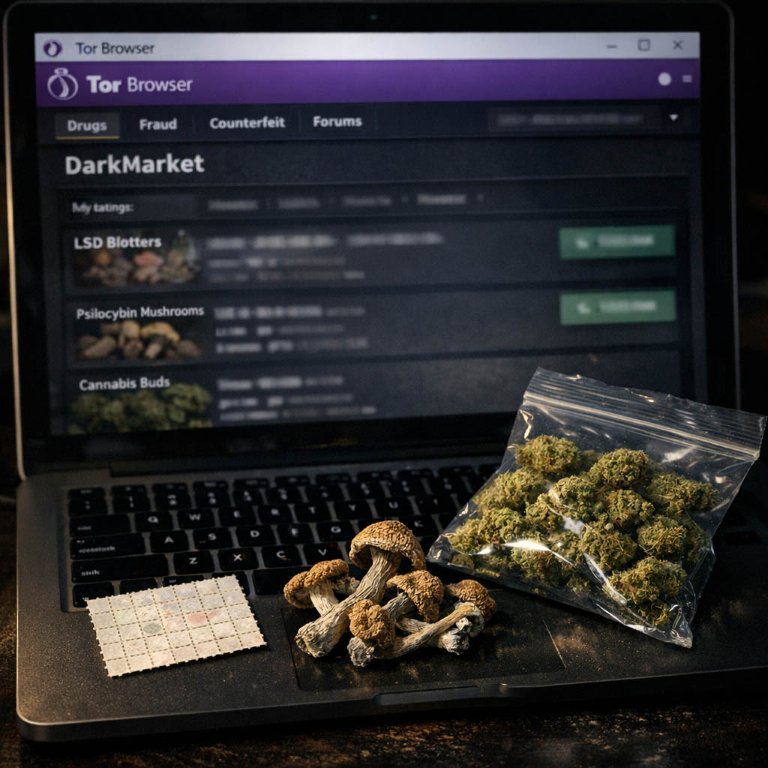
How Buying Directly from Sellers on the Darknet Works
Direct trade between buyers and sellers on darknet markets operates on principles of disintermediation and cryptographic trust. This model connects consumers directly with producers or high-volume distributors, often resulting in superior product quality and more competitive pricing compared to traditional street-level distribution. The process is facilitated by the market's platform but executed privately between the two parties.
The transaction typically begins with a buyer selecting a vendor based on verified reviews and transaction history visible on the vendor's profile. After selecting a product, the buyer completes the purchase using cryptocurrency. The funds are held in the market's escrow service until confirmation of delivery. This system protects the buyer from fraud and incentivizes the seller to fulfill the order reliably.
Successful direct trade relies on several operational pillars:
- Vendor reputation: A vendor's rating and feedback are critical metrics. High-rated vendors with thousands of completed transactions provide a level of assurance similar to established commercial retailers.
- Stealth shipping: Sellers employ sophisticated packaging and logistics techniques to ensure discreet and secure delivery, which is a key component of the service valued by buyers.
- Finalizing early (FE) status: Trusted vendors may operate with "FE" status, requiring payment to be released from escrow upon shipment. This practice, reserved for highly reputable sellers, streamlines cash flow and reduces market fees, often benefiting the buyer through lower prices.
Communication is conducted through the market's encrypted messaging system, allowing for order specifics without compromising operational security. This direct line enables customization of orders and resolves issues privately, enhancing the overall efficiency and satisfaction of the transaction. The ecosystem self-regulates through this feedback loop, where consistent quality and reliable service directly translate into commercial success and market prominence for the vendor.
How Escrow Makes Buying on the Darknet Safe and Reliable
Escrow services are a fundamental security mechanism on darknet markets, creating a trusted transaction framework between unfamiliar parties. When a buyer places an order, their cryptocurrency is held by the market's escrow system instead of being released directly to the vendor. This custody continues until the buyer confirms satisfactory receipt of the product. Only then is the funds transfer finalized. This process directly mitigates the primary risk of fraud, as vendors are incentivized to ship the correct product in a timely manner to receive payment.
The operational model is straightforward:
- The buyer submits payment, which is locked in escrow.
- The vendor is notified and dispatches the order.
- Upon delivery, the buyer finalizes the order, releasing funds from escrow to the vendor.
- If a dispute arises, market moderators can intervene to review evidence and adjudicate, potentially refunding the buyer or releasing partial payment to the vendor.
This system elevates market integrity by aligning vendor reputation with financial reward. Vendors with consistent positive feedback build a trusted vendor status, which is publicly visible and becomes a key asset. Buyers can confidently shop from these vendors, knowing the escrow service protects their investment during the transaction. The escrow model thus transforms anonymous, one-time interactions into a stable commercial environment where reliability is recorded, rewarded, and risk is managed.

Finding What You Need with Trusted Vendors on the Darknet
Product selection on a darknet market is a function of platform scale and vendor quality. A market with a wide variety of listings provides consumers with competitive pricing and the ability to source specific items. This variety is a direct indicator of a market's health and liquidity. The critical factor for a successful transaction, however, is vendor reputation. This is built through a transparent feedback system where past buyers leave ratings and detailed reviews on product quality, shipping speed, and stealth.
Analyzing a vendor's profile involves checking their historical sales volume, their average rating score over time, and their tenure on the platform. Established vendors with thousands of transactions and a high feedback percentage are generally more reliable. The review section should be read for patterns; consistent comments about product purity or communication are more valuable than isolated complaints. This system creates a self-regulating environment where reputable vendors are economically incentivized to maintain high standards, as their business depends on their visible reputation score.
For optimal safety, purchases should be made using the market's escrow service. This holds the cryptocurrency in a secure third-party account until the buyer confirms receipt and quality of the goods. Only then is the payment released to the vendor. This mechanism protects the buyer from fraud. Finalizing a transaction early, or "finalizing early" (FE), outside of escrow is a practice typically reserved for vendors with the highest and longest-standing reputations, as it carries significantly more risk for the buyer.
How Privacy Tools Make Darknet Trade Safe
Anonymity on darknet markets is a multi-layered system. The Tor network provides the first layer by encrypting traffic and routing it through volunteer relays, obscuring a user's IP address and physical location. This makes it difficult to trace connections back to their source. Upon accessing a market, users interact through pseudonymous accounts, which are not directly linked to their real-world identity.
Cryptographic verification adds critical security. Markets operate as hidden services with addresses ending in .onion. The authenticity of these links is verified using PGP (Pretty Good Privacy) encryption. Market administrators sign their official website address with a private PGP key. Users can then verify this signature against the publicly known PGP key of the market, ensuring the link is genuine and not a phishing site designed to steal credentials.
Transaction security relies on cryptocurrencies like Bitcoin and Monero. These provide a degree of financial privacy, especially when using wallets not tied to personal identification. The escrow system is central to safe trade. Funds for an order are held in a market-controlled escrow until the buyer confirms receipt. This is enforced by multisignature (multisig) technology, which requires two or three cryptographic signatures to release paymenttypically from the buyer, seller, and sometimes the market. This prevents sellers from taking payment without shipping and buyers from falsely claiming non-receipt.
Vendor reputation systems offer another layer of verification. Buyers leave detailed feedback on product quality and shipping. A vendor with a long history and thousands of positive reviews has a strong cryptographic identity tied to their PGP key, making impersonation risky and building trust within the ecosystem. Direct, encrypted messaging between buyers and vendors, also secured with PGP, allows for secure communication without exposing content to the market platform itself.