Darknet Markets 2026:
The dark web is part of the deep web but is built on darknets: overlay networks that sit on the internet but which can't be accessed without special tools or software like Tor. Tor is an anonymizing software tool that stands for The Onion Router — you can use the Tor network via Tor Browser.
| Darknet Market | Established | Total Listings | Link |
|---|---|---|---|
| TorZon Market | 2022 | 140+ | Onion Link |
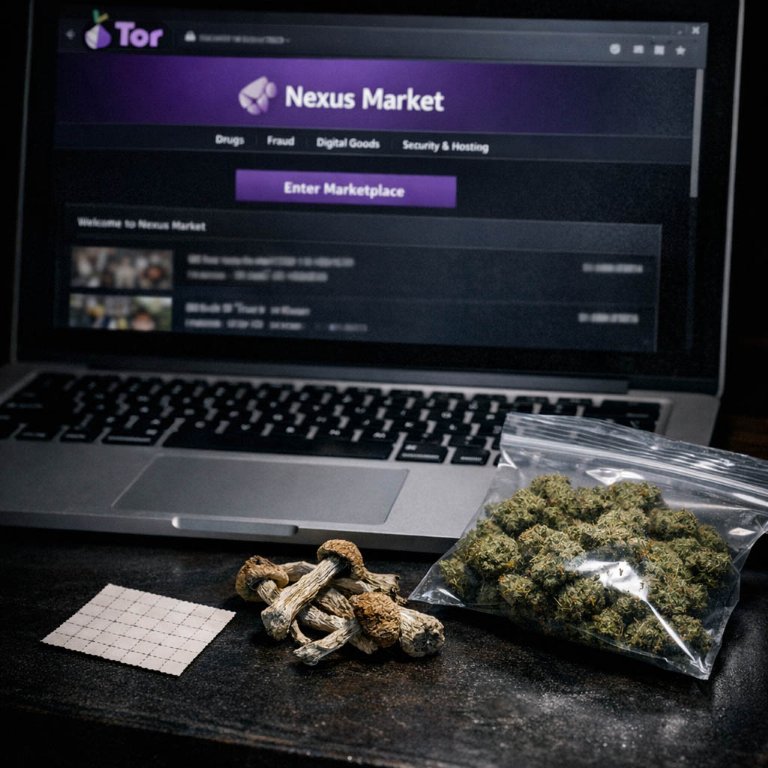
| Nexus Market | 2024 | 600+ | Onion Link |
| Abacus Market | 2022 | 100+ | Onion Link |
| Ares | 2026 | 100+ | Onion Link |
| Cocorico | 2023 | 110+ | Onion Link |
Updated 2026-10-27
A Safer, Easier Way to Buy and Sell on the Darknet
The Nexus Market platform operates on a structured model that standardizes darknet commerce, transforming it from a chaotic network of individual vendors into a coordinated marketplace. This structure imposes a consistent framework for listings, transactions, and communications, which directly increases operational efficiency for all participants. Vendors benefit from a predictable environment to manage inventory and customer relations, while buyers gain a familiar, searchable interface akin to mainstream e-commerce. The platform's design reduces the time and effort required to locate specific products, negotiate terms, and finalize purchases. This standardization is a foundational element, creating a reliable commercial ecosystem where the primary focus can remain on the quality of goods and the security of the transaction, rather than on navigating procedural inconsistencies.
Security and trust are engineered into transactions through the mandatory use of multi-signature escrow. This system functions by holding the buyer's cryptocurrency in a secure, third-party wallet that requires more than one key to release the funds. Typically, the buyer, the vendor, and the marketplace itself each hold one key. The funds are only released when the buyer confirms satisfactory receipt of the product, which requires their cryptographic signature. This mechanism effectively eliminates the risk of fraud by either party; vendors are assured of payment for shipped goods, and buyers are protected from losing funds without receiving their order. The escrow system acts as a neutral arbitrator, ensuring that both parties fulfill their agreed-upon obligations before the transaction is completed.
Product discovery is streamlined through advanced filtering tools and a transparent vendor verification process. Buyers can efficiently navigate listings using filters for product category, price, shipping origin, and vendor rating. The platform's transaction history feature provides an immutable record of a vendor's past sales, offering verifiable data on their reliability and volume. This public history is more difficult to falsify than simple feedback scores. When combined with the platform's user feedback system, which allows for detailed reviews and ratings, it creates a multi-layered reputation framework. Potential buyers can analyze a vendor's consistent performance over time and read specific accounts of product quality and shipping discretion, enabling informed and low-risk purchasing decisions.
The resilience of the platform is a critical feature for maintaining continuous service. It employs robust technical infrastructure designed to mitigate downtime and resist external disruptions. This reliability ensures that the marketplace remains accessible for order finalization, communication, and fund management, which is essential for maintaining user confidence and the fluidity of commerce. The overall structured marketplace model consolidates these individual featuresstandardized operations, secured escrow, efficient filtering, and verifiable trust systemsinto a single, cohesive environment. This integration provides a significant operational advantage over decentralized or less-organized darknet venues, offering a safer, more efficient, and more predictable platform for discreet commerce.
How Multi-Sig Escrow Makes Darnet Drug Deals Safer
The fundamental challenge in any remote commerce is the lack of simultaneous exchange. A buyer risks paying for a product that never arrives, while a vendor risks shipping an item without guaranteed payment. Traditional darknet markets often relied on a single administrator holding funds in escrow, which created a central point of failure susceptible to exit scams. The multi-signature escrow system directly addresses this by decentralizing the control of transaction funds.
In a typical multi-signature setup, three cryptographic keys are generated to control the escrow wallet: one belongs to the buyer, one to the vendor, and one to the market platform. The release of payment requires authorization from at least two of these three parties. This creates a balanced and secure workflow.
- The buyer initiates an order and deposits cryptocurrency into the multi-signature escrow address.
- The vendor sees the secured funds and dispatches the product.
- Upon successful receipt, the buyer and vendor both sign the transaction to release payment to the vendor.
If a dispute arises, the platform's key can be used as a third-party arbitrator in conjunction with either the buyer or vendor to reach a resolution and release funds fairly. This mechanism ensures that no single entity can unilaterally steal the funds. The market cannot confiscate coins without a user's key, and a dishonest vendor cannot receive payment without the buyer's confirmation or platform arbitration. This technical framework establishes a trustless trading environment where security is enforced by cryptography rather than blind faith in a central authority. It effectively minimizes the primary financial risks associated with darknet commerce, fostering a more stable and reliable marketplace for all participants.
Easy Shopping and Picking Vendors on the Darknet
The platform's architecture is built around a categorized product listing system. This structure allows buyers to navigate directly to specific product types, eliminating time spent on irrelevant listings. Each category is further refined by filters for geographic region, price range, and vendor shipping options. This granularity transforms a broad search into a targeted procurement process.
Vendor selection is directly informed by integrated performance metrics. A vendor's profile displays a transparent trust score, calculated from transaction completion rates and feedback history. The system prioritizes vendors with:
- High order fulfillment percentages
- Consistent positive feedback on product quality and stealth
- Verified on-time shipping statistics
This data-driven approach replaces guesswork. A buyer can compare multiple vendors offering the same product based on empirical performance data rather than promotional claims. The multi-signature escrow system is a prerequisite for all transactions, ensuring financial security is a constant, not a variable, in the selection process. This combination of detailed filtering and quantified vendor reliability creates a streamlined and secure procurement environment.
Check a Vendor's Sales History Before You Buy
The transaction history on Nexus Market functions as an immutable and objective ledger for establishing vendor credibility. Unlike subjective feedback, which can be manipulated, the record of completed sales provides a factual basis for assessment. A vendor's profile displays the total number of finalized orders and the consistent volume of sales over time, which are direct indicators of operational stability and customer satisfaction.
This system allows buyers to analyze patterns before engaging. A vendor with a long history of thousands of successfully escrow-released transactions demonstrates reliability in shipping and product quality. Conversely, a new vendor or one with a history of frequent canceled or disputed orders presents a higher risk. The platform's design makes this due diligence straightforward, enabling users to cross-reference a vendor's stated specialties with their actual sales history, ensuring alignment between advertised and delivered goods.
The integration of transaction data with the feedback system creates a robust verification mechanism. Positive reviews gain more weight when they are attached to a verified purchase from a vendor with a substantial transaction count. This multi-layered approach to verification significantly reduces uncertainty in the darknet commerce environment, empowering buyers to make informed decisions based on transparent, historical performance data rather than promises.
How User Reviews Build Trust on Darknet Markets
The feedback system on Nexus Market functions as a decentralized reputation mechanism, directly replacing the need for traditional identity verification. Each transaction concludes with an opportunity for the buyer to leave a detailed review and a numeric rating. This data is permanently and publicly linked to the vendor's profile, creating an immutable record of performance.
Prospective buyers analyze this history to assess product quality, shipping speed, and stealth packaging. The system's design prevents alteration or deletion of reviews, ensuring the collected data reflects genuine transactions. This transparency allows the community to collectively identify and promote reliable vendors while marginalizing those with inconsistent service.
The aggregated feedback creates a self-regulating environment. High-performing vendors are incentivized to maintain standards to preserve their status, which directly influences their sales volume. This user-generated verification is more effective than central promises, as it is based on cumulative, verifiable experiences. The result is a trust framework built on demonstrated consistency rather than anonymity alone.

How the Platform Stays Up and Running
The operational stability of a darknet marketplace is its most critical non-financial asset. Nexus Market demonstrates this through infrastructural redundancy and proactive security maintenance. The platform employs a distributed server architecture, making it resistant to single points of failure and common denial-of-service attacks. This design ensures consistent uptime and reliable access for users across different regions.
Technical reliability is reinforced by a disciplined update cycle. The development team deploys security patches and interface improvements without service disruption, a process managed through canary releases and robust backend testing. This minimizes downtime and protects against exploits targeting known vulnerabilities in marketplace software.
Transaction integrity is maintained by the multi-signature escrow system, which remains operational independently of any temporary access issues to the main site. Funds are secured in a decentralized manner until all parties fulfill their agreed-upon conditions. This mechanism prevents loss from exit scams or administrative failures, a common point of fragility in earlier market models.
Data persistence is another cornerstone. User feedback, vendor verification credentials, and transaction records are stored in a fault-tolerant manner, ensuring that trust metrics and reputation history survive routine operations. This creates a continuous, reliable record that users depend on for making informed decisions, contributing to the marketplace's long-term viability and user confidence.
How a Structured Darknet Market Makes Buying Drugs Safer and Easier
The structured marketplace model, as implemented by Nexus Market, provides a systematic framework for darknet commerce that directly addresses historical inefficiencies and risks. This model replaces the chaotic and unreliable nature of individual vendor shops or forum-based sales with a unified, standardized environment. The primary benefit is the reduction of transaction friction and the establishment of a predictable, secure trading process for all participants.
Central to this structure is the integration of a mandatory multi-signature escrow system. This technical solution automates trust, holding funds securely until the buyer confirms satisfactory receipt of goods. It systematically eliminates the risk of vendor exit scams and ensures financial security is a default feature, not an optional negotiation. This built-in safeguard encourages higher transaction volumes and fosters a more stable economic ecosystem.
The platform's architecture enforces standardized vendor profiles and transparent feedback mechanisms. Every transaction contributes to a verifiable history, creating a system of organic accountability. Buyers make informed decisions based on cumulative, immutable data rather than anecdotal evidence. This transparency directly incentivizes vendors to maintain high standards in product quality and shipping reliability to build and protect their reputation.
Operational efficiency is significantly enhanced through structured categorization and advanced filtering tools. Users can quickly navigate listings by:
- Product category and subtype
- Geographic shipping origin and destination
- Vendor reputation score and number of completed sales
This organization saves time and reduces operational security exposure by minimizing unnecessary browsing. The model's resilience is proven by its rapid recovery from service disruptions, maintaining user data and transaction integrity through technical infrastructure designed for uptime and data preservation. The structured marketplace, therefore, transforms darknet commerce from a high-risk endeavor into a streamlined, secure, and efficient economic activity.