Darknet Markets 2026:
The dark web is part of the deep web but is built on darknets: overlay networks that sit on the internet but which can't be accessed without special tools or software like Tor. Tor is an anonymizing software tool that stands for The Onion Router — you can use the Tor network via Tor Browser.
| Darknet Market | Established | Total Listings | Link |
|---|---|---|---|
| TorZon Market | 2022 | 140+ | Onion Link |
| Nexus Market | 2024 | 600+ | Onion Link |
| Abacus Market | 2022 | 100+ | Onion Link |
| Ares | 2026 | 100+ | Onion Link |
| Cocorico | 2023 | 110+ | Onion Link |
Updated 2026-10-27
How the dnet's peer-to-peer model makes buying and selling straightforward
The operational foundation of modern darknet markets is a sophisticated peer-to-peer e-commerce model. This framework directly connects buyers and sellers globally, eliminating traditional intermediaries and geographic limitations. The model leverages specific technologies to create a self-regulating environment built on trust and user feedback.
Cryptocurrencies like Bitcoin and Monero are integral, enabling private and secure payments. These digital currencies provide pseudonymity and operate on decentralized networks, making financial transactions difficult to trace and separate from the conventional banking system. This financial layer is secured further by escrow systems. When a buyer places an order, funds are held in escrow by the market platform and are only released to the vendor after the buyer confirms receipt. This mechanism protects both parties, ensuring vendors get paid for delivered goods and buyers are not defrauded.
Quality and reliability are enforced through community-driven tools. Vendor rating systems and detailed feedback on product listings allow buyers to make informed decisions based on the experiences of others, creating a powerful incentive for vendors to maintain high standards. This feedback loop is central to the ecosystem's resilience. Furthermore, community forums serve as vital spaces for support, dispute resolution, and knowledge sharing, fostering a collective approach to security and operational refinement. The entire system demonstrates a resilient and adaptable operational framework that mimics and often refines the mechanisms of legitimate e-commerce, applying them to a global, anonymous marketplace.
How Darknet Markets Offer Global Product Access
The peer-to-peer architecture of darknet markets fundamentally redefines buyer access, dismantling traditional geographical and logistical barriers. This model connects buyers directly with a global inventory of products, which would be unavailable or prohibitively difficult to source through conventional local channels. A buyer in one country can seamlessly procure items from a vendor in another, with the platform itself acting as a neutral meeting point rather than a central warehouse. This direct linkage is a core function of the P2P tech, enabling a decentralized and resilient network of trade.
This global access is secured and operationalized through the integration of cryptocurrency. Transactions using currencies like Bitcoin or Monero are pseudonymous and borderless, facilitating the financial component of international trade without reliance on traditional banking systems. The payment process is typically safeguarded by an escrow system, where funds are held by the market until the buyer confirms receipt, thereby mitigating the risk of fraud for both parties. This financial framework is essential for enabling trust in an otherwise trustless environment.
The system's integrity and product quality are maintained not by a central authority, but by transparent, community-driven mechanisms. After a transaction, buyers leave detailed feedback and ratings on the vendor's profile. This creates a powerful, self-regulating environment where vendor reputation is paramount. High-rated vendors with consistent positive reviews gain visibility and trust, while those with poor feedback are marginalized. Community forums further support this ecosystem, providing a space for user support, dispute resolution, and the sharing of information, which collectively enhances safety and reliability for all participants.
How Crypto and Escrow Make Darknet Trade Safe and Private
The operational model of darknet markets is fundamentally built upon the integration of peer-to-peer (P2P) networks and cryptocurrency. This combination creates a resilient and self-contained ecosystem for global trade. The P2P architecture, similar to early file-sharing networks, distributes the marketplace's presence, making it resistant to centralized shutdowns. This structural resilience is perfectly complemented by the financial layer provided by cryptocurrencies like Bitcoin and Monero.
Cryptocurrencies facilitate private and secure payments by design. Transactions are recorded on a public ledger, the blockchain, but they are pseudonymous; they are linked to cryptographic addresses rather than personal identities. This provides a significant degree of financial privacy for both buyers and vendors. Advanced cryptocurrencies offer enhanced features:
- Monero uses ring signatures and stealth addresses to obfuscate transaction details, making amounts and participants truly private.
- Bitcoin, while more transparent, is often used with mixing services or through wallets that prioritize user anonymity.
The payment process is secured through escrow systems managed by the marketplace. When a buyer places an order, funds are held in escrow by the market's automated system. The vendor ships the product, and only after the buyer confirms receipt are the funds released. This mechanism, enforced by smart contracts or trusted market code, eliminates the need for interpersonal trust and prevents common fraud scenarios. It ensures vendors are paid for delivered goods and buyers are not charged for orders that never arrive.
This financial and technological framework supports a community-run global trade environment. The entire system is regulated by transparent, user-driven feedback. Vendor rating systems and detailed reviews on community forums create immediate accountability for product quality and service. A vendor with consistently high ratings and positive feedback builds a reputation that is directly tied to their economic success. Conversely, poor performance is quickly reflected and leads to loss of business. This creates a self-regulating marketplace where community feedback, secured payments, and P2P infrastructure collectively enforce standards of reliability and quality, enabling a stable and adaptable platform for international commerce.
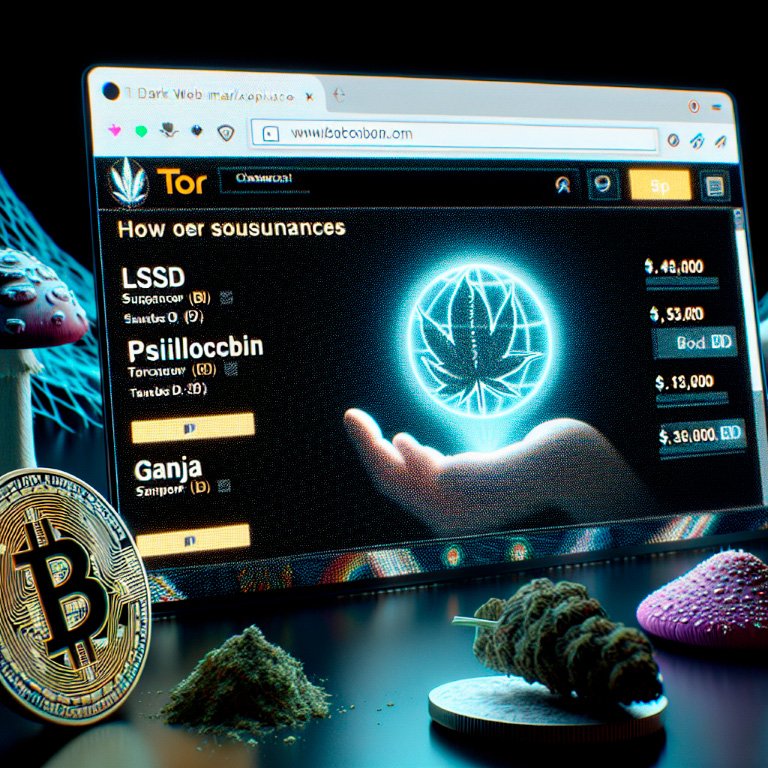
How Escrow Makes Darknet Drug Trade Safe for Buyers and Sellers
The escrow system is a foundational peer-to-peer mechanism that directly enables secure transactions on darknet markets. It functions as a neutral third-party service, automatically holding a buyer's cryptocurrency payment after an order is placed. The funds are only released to the vendor once the buyer confirms satisfactory receipt of the goods. This process effectively mitigates the inherent risks of anonymous online trade.
For the buyer, escrow provides a powerful guarantee against fraud. It eliminates the possibility of a vendor accepting payment and then failing to ship the product, a practice known as "exit scamming." The buyer can inspect the shipment and, if it does not meet the advertised quality or quantity, can initiate a dispute. During a dispute, the funds remain in escrow while evidence is reviewed, often by market moderators or through community feedback, leading to a fair resolution.
Vendors also benefit significantly from this arrangement. The escrow system signals a vendor's credibility, encouraging buyers to place orders with confidence. It formalizes the transaction and ties the vendor's reputation directly to their performance. A vendor who consistently completes escrow transactions successfully builds a strong rating and feedback history, which in turn drives more business. The system creates a structured, self-regulating environment where trust is built through verifiable transactions rather than blind faith.
The entire process is facilitated by the properties of cryptocurrency, which allows for the programmable holding and conditional release of funds without requiring a traditional, identifiable financial institution. This combination of cryptographic escrow and community-driven oversight forms a resilient operational framework that protects both parties and sustains the marketplace's ecosystem.
How Vendor Ratings Keep Drug Quality High on the Darknet
Vendor rating systems are the cornerstone of trust and quality assurance on darknet markets, functioning as a decentralized, community-driven replacement for traditional regulatory bodies. These systems operate on a simple yet powerful peer-to-peer feedback mechanism. After a transaction, buyers leave detailed reviews and assign a numerical score, typically out of five, based on product quality, shipping speed, stealth, and communication. This collective intelligence is aggregated into a public profile for each vendor, creating a transparent performance history.
The structure incentivizes high standards. Vendors with consistently high ratings and many completed sales gain a trusted vendor badge, which increases their visibility and sales potential. This creates a direct financial motive to maintain product purity, accurate weight, and professional service. The system is self-reinforcing; a vendor attempting to sell inferior products quickly receives negative feedback, alerting the community and damaging their reputation and income. Disputes over product quality are often mediated in community forums, with the outcome influencing a vendor's rating. This continuous loop of transaction, feedback, and public accountability establishes a reliable framework where product quality is directly linked to commercial success, leveraging the p2p network's ability to crowdsource verification and enforce standards without central oversight.
How Forums Help the Darknet Run Smoothly
The operational stability of darknet markets is fundamentally sustained by their community forums. These platforms function as the collective intelligence and dispute resolution mechanism, directly supporting the peer-to-peer model. Forums are not ancillary; they are integral infrastructure where buyers and sellers engage in transparent dialogue, share experiences, and collaboratively enforce market standards.
Technical or transactional issues, such as a delayed package or a dispute over product weight, are routinely addressed through structured forum threads. Users present evidence, often using the market's built-in escrow system and cryptocurrency transaction details, for community review. This peer mediation often resolves conflicts without centralized authority, reinforcing a self-regulating environment. The process is documented publicly, creating a precedent and a knowledge base for handling similar future issues, which enhances the overall resilience and adaptability of the marketplace.
Beyond dispute resolution, forums serve as a critical feedback loop for vendor rating systems. Detailed user reviews and chemical purity test results posted on forums provide a more nuanced picture than simple star ratings. This collective verification directly ensures product quality and vendor accountability. New buyers can research a vendor's entire history, and vendors are incentivized to maintain impeccable service to protect their reputation. The forum thus acts as a continuous audit, where the community itself polices the marketplace, creating a trusted environment for global trade.
How User Feedback Builds Trust on the Darknet
The operational resilience of darknet markets is fundamentally derived from their peer-to-peer architecture. This model eliminates centralized points of control, distributing both risk and functionality across the network of users and vendors. Transactions are conducted directly between parties, facilitated by cryptocurrency payments that provide a layer of financial privacy and borderless transfer of value. The inherent transparency of blockchain ledgers for cryptocurrency, while pseudonymous, allows for the public verification of transaction flows without revealing personal identities, creating a secure economic layer for the marketplace.
This P2P and crypto foundation enables the core self-regulatory mechanisms. The escrow system acts as a neutral third party, holding a buyer's cryptocurrency in reserve until the product is received and confirmed. This mechanism directly incentivizes vendor honesty and reliable shipping practices. Upon completion, the funds are released, completing the secure exchange. The entire transaction history feeds into the vendor rating system, a continuous feedback loop where buyers post detailed reviews on product quality, shipping speed, and communication.
Community forums extend this regulatory function beyond single transactions. They serve as a collective intelligence platform where users:
- Discuss vendor reputations and share experiences.
- Warn others about potential scams or low-quality products.
- Offer advice on operational security and safe engagement with the market.
This ecosystem of toolsescrow, ratings, and forumscreates a self-policing environment. Trust is not assumed but is continuously earned and audited by the user base. Vendors with consistently high ratings and positive feedback gain more business, while those who fail to meet community standards are quickly identified and marginalized. The system's adaptability comes from this direct market feedback, allowing practices and reputations to evolve based on demonstrated performance rather than centralized decree.

How Darknet Markets Keep Running Smoothly
The operational framework of darknet markets demonstrates significant resilience, primarily due to its decentralized peer-to-peer architecture. This structure eliminates central points of failure that could be targeted in traditional e-commerce. The network persists because it is distributed across countless user nodes, with each transaction acting as an independent event. This design allows the marketplace to adapt quickly; if one vendor or even an entire platform becomes unavailable, the underlying P2P model enables users and vendors to migrate and re-establish trade on alternative platforms with minimal disruption.
Adaptability is further driven by the integrated use of cryptocurrency and community governance. Cryptocurrencies like Bitcoin and Monero provide a payment layer that is inherently global, borderless, and operational outside conventional financial systems. This financial agility allows markets to adjust to external pressures. When one currency faces scrutiny, markets can adopt alternatives with stronger privacy features. The self-regulating environment, sustained by user feedback and vendor rating systems, creates a robust internal economy. Community forums act as a real-time feedback loop, where operational issues are crowdsourced and resolved, fostering continuous improvement in security and service quality. This combination of decentralized technology, flexible finance, and collective intelligence creates a framework that is not static but evolves organically to maintain safe, efficient, and community-run global trade.